Ayutthaya – the ancient capital of the Siam Kingdom, ghosts and Chinese ship-wreck survivors, heavenly life on secluded beaches

OLYMPUS DIGITAL CAMERA

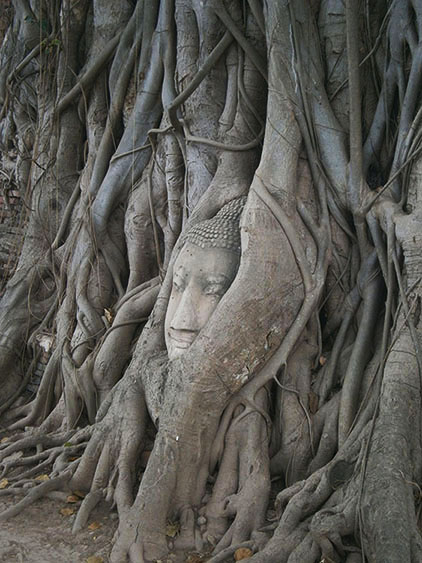
Buddha’s head intertwined in Banyan tree branches

18.01

A man in uniform takes us to the main highway connecting Chiang Rai with Bangkok. He is so overexcited he took hitchhikers that he is all the time chuckling and telling us the names of all the towns we were passing by. After 70 km we finally reach the long expected highway which will lead us to the beaches of the south. The mountains, tribes and small secluded roads are behind our back. Continue reading

New Year “Hmong style”, good times in the Wild, Wild West, amazing hitchhiking experiences

OLYMPUS DIGITAL CAMERA

Women from the Hmong ethnic group

12.01

MAP_Chaing Khong 1We hitchhike near the border town Chiang Khong. It is a small town which is also the entrance point to Laos. There is a bridge and one could also cross with a boat on Mekong that costs 0,75 euro. People leave us in the beginning of the town and we have to walk for 4-5 km. to exit it. It is a nice place without many tourists and the walk is pleasant. We continue towards the mountains located on the border with Laos. The region becomes more and more interesting. It is inhabited by the Hmong ethnic group. Everywhere we see people dressed in their traditional outfits sitting around fires they have lit next to their huts. Continue reading

At the Golden Triangle, visiting the sorcerer, on the banks of Mekong – the river we love so much

OLYMPUS DIGITAL CAMERA

The Golden Triangle itself

04.01

We continue hitchhiking north towards the Golden Triangle. The region is defined by Mekong River and forms a triangle on the border among Thailand, Laos and Burma and is famous for producing opium for hundreds of years. Traditionally here live mountain tribes, animists with quite exotic customs whose main crop is poppy. People in Thailand don’t use opium and heroin anymore and the government tries to educate the tribes to start growing other cultures and to develop its tourist industry here in the meanwhile. In Laos and Burma things are different. There they continue producing drugs full force and Burma is the main producer of methamphetamine and they often traffic their production through Thailand. Nevertheless the region is considered safe. Continue reading

A year on the road – some thoughts

Head_Edna godina na pytia

Today, 4 April 2016, it’s been an year since we opened the front door, stepped out of the door-sill, lifted a thumb up and headed for the remotest parts of the world. One year is a very long time, a string of wondrous moments ad infinitum.

This is the longest journey we have ever embarked on, a journey that leaves life-changing marks on our souls and faces. Wandering is now a way of life for us that we have consciously chosen. It is a dream come true. There is nothing on Earth we want or crave for, nothing that is more precious than the present moment; we are lost and free on the dusty roads of unseen lands. The best day is always… today. As far as our future and past are concerned, we stopped thinking about them a long time ago. Here is a short overview of our travel:
OLYMPUS DIGITAL CAMERA

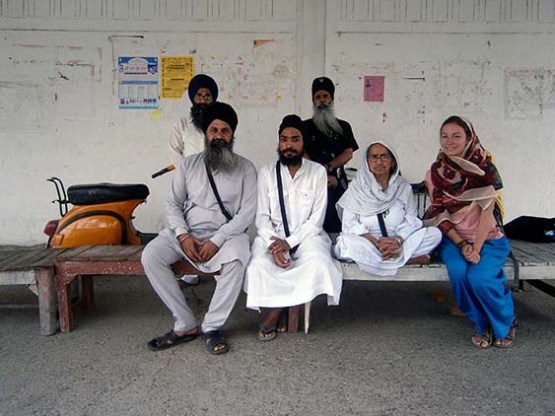
People from a Gurdwara in India

04.04.15 Bulgaria – green and precious.

05.04.15 Turkey – it feels like home.

09.04.15 Iran – deserts and heart-melting goodness.

16.04.15 Pakistan – on the edge, great adventures.

31.05.15 India – a different world where miracles are possible. Reality from another planet, reality that we felt fond of and deeply attracted to.

25.11.15 Myanmar –  a land like no other, gold, pagodas, palms – beauty reaching the bottom of your heart.

22.12.15 Thailand – a blissful rest for the tired wanderer.

19.02.16 Malaysia – submersion in the jungle among gigantic trees to love and a magic berthing at the oldest ports of the world.

19.03.16 Singapore – teleportation to a cosmic station.

Today we are preparing to fly to the island of Borneo where the sultanate of Brunei is. This is our first flight for the year because there are no boats sailing this distance anymore. So we have to fly (just this time). We are elated by the forthcoming adventures in new lands. We don’t feel tired, we don’t feel a need to stop. We are open to a world, full of surprises, which to us is no longer an old movie showing the same pictures every day.

After Borneo we plan to continue on water visiting Sumatra and then Java, Bali, Lombok, Flores, Sulawesi, Maluku Islands and Papua New Guinea. After that we hope that someday we will find a ship to take us to Australia and New Zealand. These plans are vague and far away but for now we consider Australia to be the end of the current journey.

Many people ask us what is the feeling of traveling such a long time, how traveling changes you, what do you learn about the world? The traveler depends on the Universal flow, doesn’t know where the next day will take us or what and who we will meet on the road. Such a long journey without hotels, hitchhiking, makes one vulnerable to the surrounding environment dependent on human kindness and open to surprises. The mundane world is no longer an old movie showing the same pictures every day.

In no time, the feeling of being connected to the wondrous, supreme Earth conquers the senses of the traveler. One starts seeing, a process which is quite different from mechanically looking the daily life. The traveler sees a sparkling cloud in the sky, sees the worn-out face of the beggar, sees the ornaments on the houses in the cities, sees the ant crawling on one’s leg, sees the emotions reflected in the eyes of the passers-by, and sees the World. All is seen for the first time, all is new and amazing.

OLYMPUS DIGITAL CAMERA

Woman from the Akha Tribe, Thailand

The traveler doesn’t use labels, stereotypes or viewpoints to appraise the reality. The traveler sees only an endless string of miracles. The present moment is so full that thoughts of yesterday and tomorrow become useless and boring. This gift is more precious than all other gifts. Wandering is an easy way to reach this state. Of course, it’s not the only one and not every traveler can do it. In general, when one is traveling, this realization happens organically, by itself.

Another gift we discovered is the freedom to stop wanting. One learns that nobody can buy the world, throw it on the shoulders and take it away. One can’t eat and drink exotic foods all the time or visit every single place on Earth. The traveler is more than satisfied with the shirt he/she wears (it’s enough), with the loaf of bread in the rucksack (enough) and by the places faith leads him/her to (both enough and not enough at the same time).

With time needs fade away little by little and when there are no constant desires to be satisfied, one finds out that he/she has all the time in the world for joyous existence without being disappointed. The traveler learns to accept the reality as it is. To merge with it without resistance. One of the most important lessons we’ve learned while traveling is to believe in the Universe, Energy, God or whatever you wish to call it.
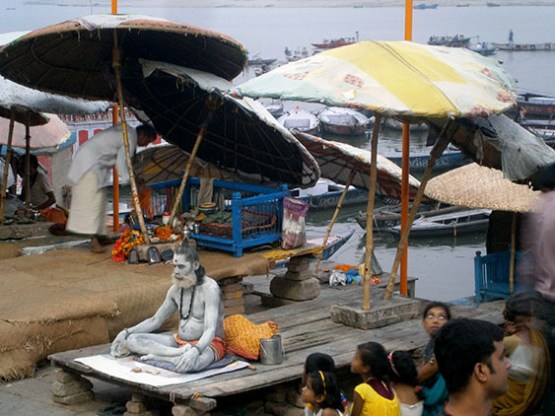
OLYMPUS DIGITAL CAMERA

Meditating Sadhu (saint), India

Every day the wanderer finds out that there is always a place where he/she can lie down after a tiring day, that there are no good and bad situations. (Few people actually realize that the following saying is true: “Every cloud has a silver lining”, and the opposite is also true – “Every silver lining has a little cloud in it”). Life is a flow and all that happens has its meaning; it’s illusory to classify it as good or bad and it’s out of the context of the non-permanent nature of the World. By believing, one understands that everything is all right and merges with the Whole.

These are some of the gifts that Traveling offers to those who are bald enough to hit the road. Of course, you can also add the endless beauty of the Earth, cultural and informational enrichment, broadening one’s view of life, seeing new perspectives of the World…
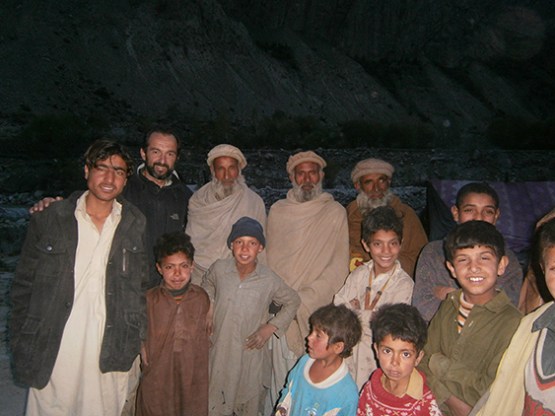
OLYMPUS DIGITAL CAMERA

Gold diggers, Pakistan

About the Earth and her people

An old yogi meditates under a banyan tree. A man wearing a long skirt is on the market bargaining over a kilo of veal. A woman gathers leaves and roots in the forest. A corpulent jogger runs on the alley in the park. One wears a veil, another is naked, third lives in a straw hut, forth in an ice house, fifth on the 87-th floor, sixth, seventh, eight… hundred thousandth, millionth, billionth – they are all different.

The human in thousands forms, having different appearance, clothes, way of life, social role and status, beliefs, different viewpoints, this same human has created a myriad of societies and cultures around the world – and this is what makes traveling so interesting. When we meet people who are very different from us, they surprise us with their different perception of the same places we visit, of the same experiences we have with them, and make us doubt in our own stereotypes (if we are open enough to this, of course).

Xhushi with balochi_Pakistan

Magy with the military escort next to the border with Afghanistan, Pakistan

The day when we realize that there are no right and wrong ways of life has come. Our views are not more supreme than those of anyone else. The whole framework in which we perceive the reality that surrounds us is nothing more than a product of complex social biases. These superstructures come from the culture we were raised in, our psychological conditioning and our historical heritage. The description of the world that our family and society give us is a very successful tool for survival and that’s why people hardly ever question it; we are like this and namely because of this we survived (they say).

But there is one little detail missing here: this is just a description. There have been many descriptions throughout the ages, but they have been just descriptions; none of them has ever become an actual reality. The Reality is inexpiable. It doesn’t have absolute attributes or qualities and it could only be perceived partially by the human mind. The traveler adopts this point of view and doesn’t judge diversities and doesn’t put anything in boxes with labels. The traveler believes that one can learn something new from every culture. Diversification is a treasure, an encyclopedia to different approaches and perceptions of the surrounding world, which sometimes turn out to be true.

The fact that there are so many different people is the greatest gift. We see them but while traveling, beneath all these diversities we see something that is the same in every human. Behind the masks, the roles, the programmed mind we see something unique – the absolutely identical pure nature of the soul. Often hidden beneath layers and layers of thoughts and social programming IT IS there. It doesn’t matter how the mind is tuned or if it is scrambled, inside every one (including you, dear reader), the pure human consciousness with its endless potential is there. We speak different languages, we share different views, but when we manage to make a real connection with another human being, we feel that behind all this we are one and the same.
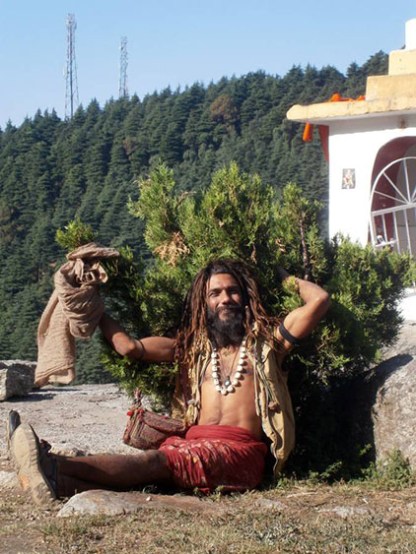
OLYMPUS DIGITAL CAMERA

Sadhu in India

It is hard to describe with words the essence of the experiences that a long journey brings in itself. The verbal knowledge and the written symbols bring associative images that have little to do with the existential experience itself. As the old Chinese saying tells: “The finger that points to the moon is not the moon itself”. The best way to perceive personal knowledge of the World is to immerse in it 🙂
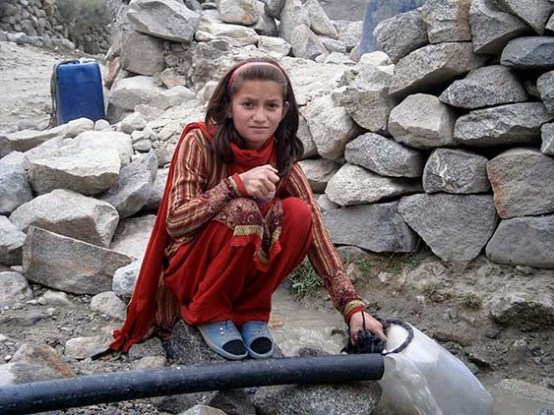
OLYMPUS DIGITAL CAMERA

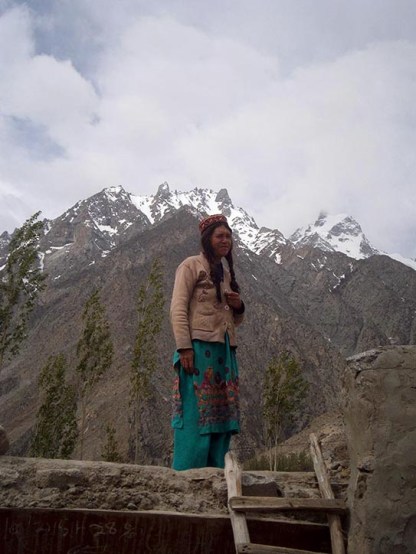
A girl from Hosseini Village, Pakistan
 

OLYMPUS DIGITAL CAMERA

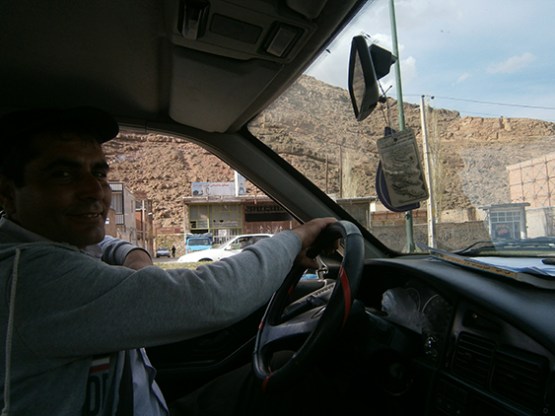
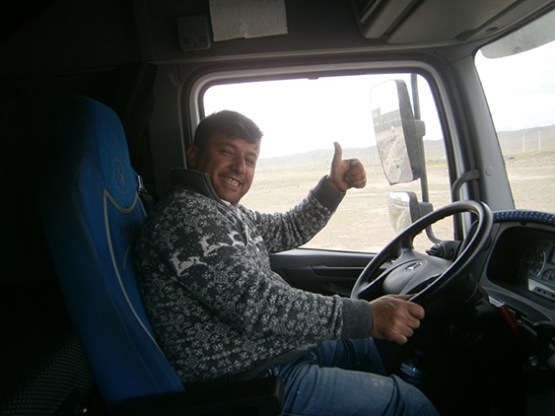
Abdullah, our truck driver in Turkey


OLYMPUS DIGITAL CAMERA

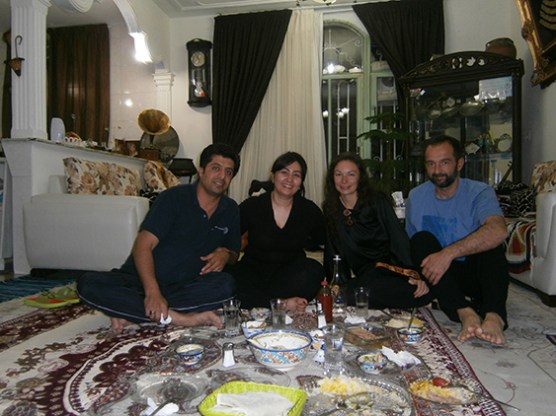
Mostafa and Azadeh from Bijar, Iran


OLYMPUS DIGITAL CAMERA

Our friend Rasul Japhary, Iran


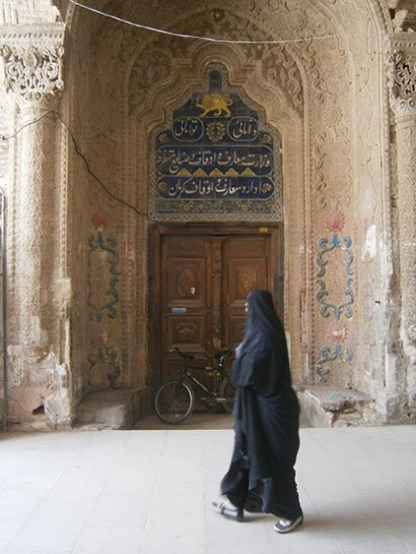
Iran, Kerman Chador woman

Chador woman, Kerman, Iran


OLYMPUS DIGITAL CAMERA

Local woman Gulmit, Pakistan


OLYMPUS DIGITAL CAMERA

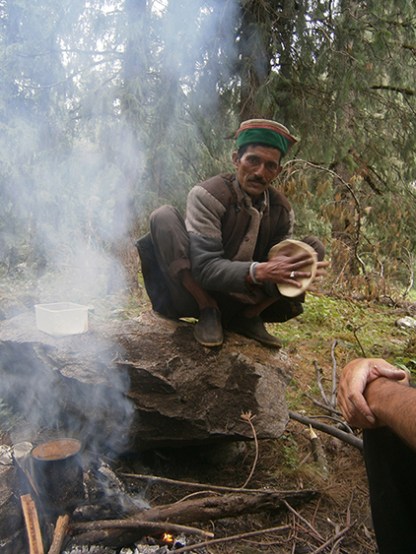
How chapatas are made, India


OLYMPUS DIGITAL CAMERA

A local guy in Myanmar


OLYMPUS DIGITAL CAMERA

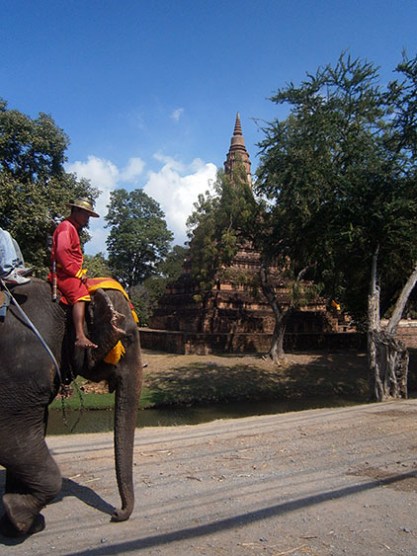
A local riding an elephant, Thailand

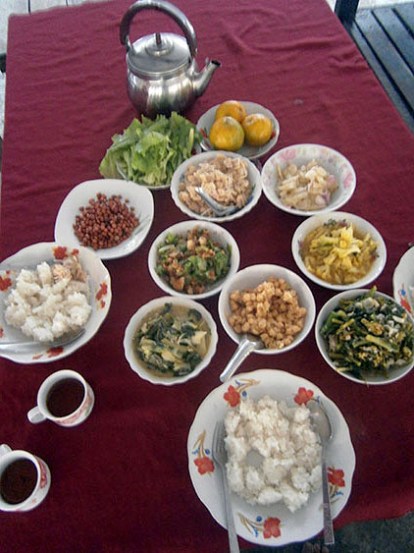
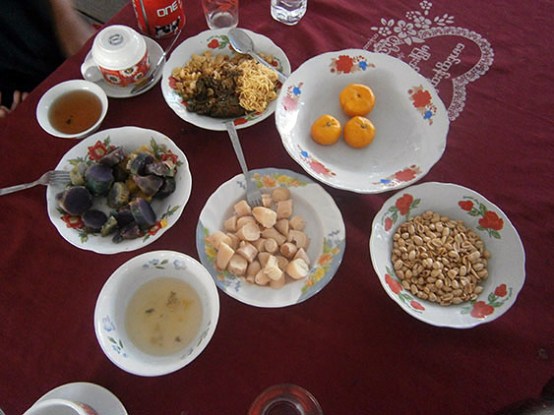
Myanmar food

OLYMPUS DIGITAL CAMERA

Bangladesh style flat bread – roti


OLYMPUS DIGITAL CAMERA

Curries with rice


OLYMPUS DIGITAL CAMERA

More curries


OLYMPUS DIGITAL CAMERA

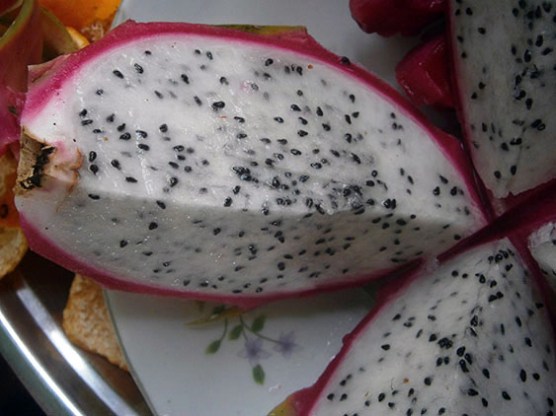
White dragon fruit


OLYMPUS DIGITAL CAMERA

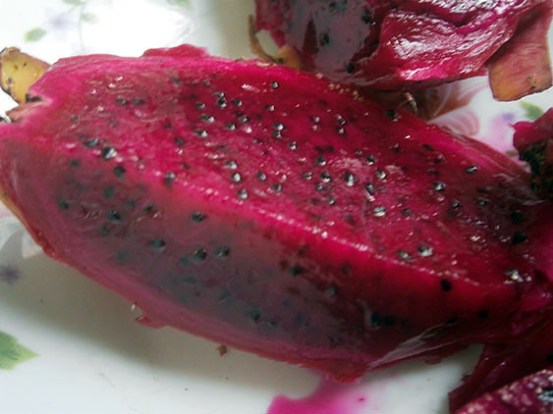
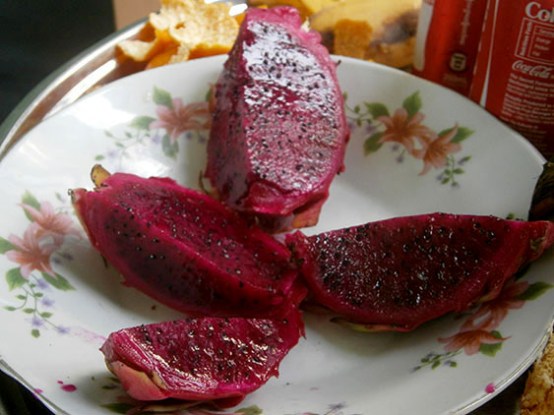
Pink dragon fruit


OLYMPUS DIGITAL CAMERA

And more 🙂


OLYMPUS DIGITAL CAMERA

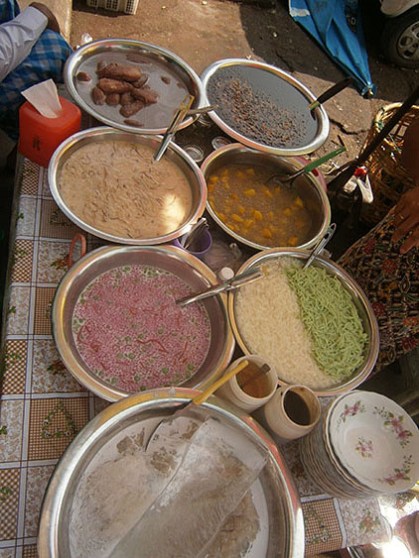
Local vendor sells strange syrups and jellied beverages


OLYMPUS DIGITAL CAMERA

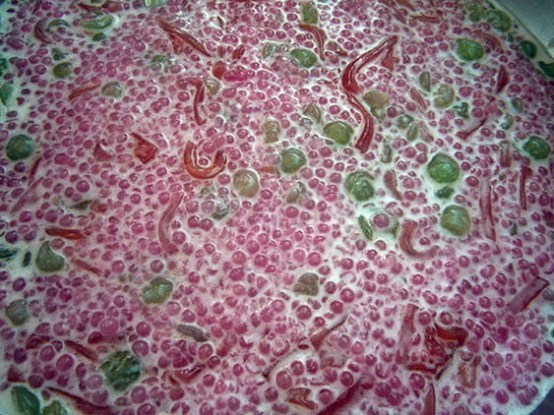
Jellied drink


OLYMPUS DIGITAL CAMERA

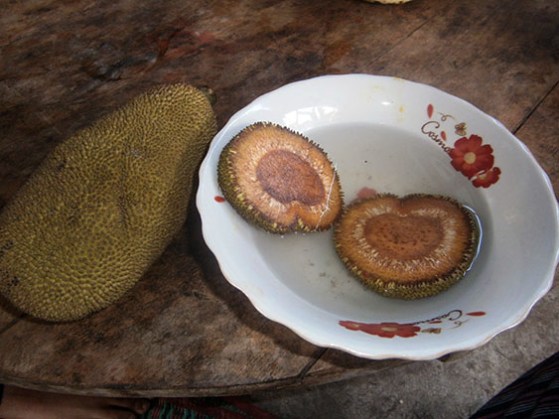
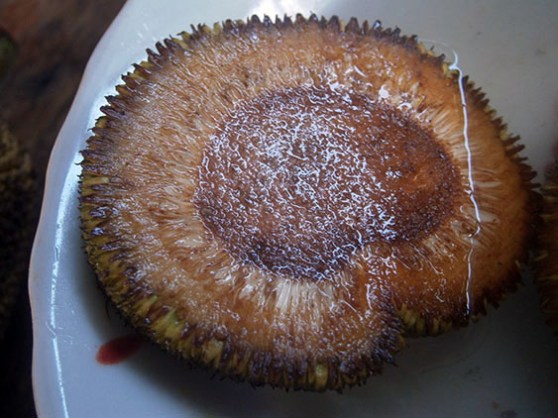
Marinated jackfruit. It was served for breakfast with white rice


OLYMPUS DIGITAL CAMERA

Marinated jackfruit close-up


OLYMPUS DIGITAL CAMERA

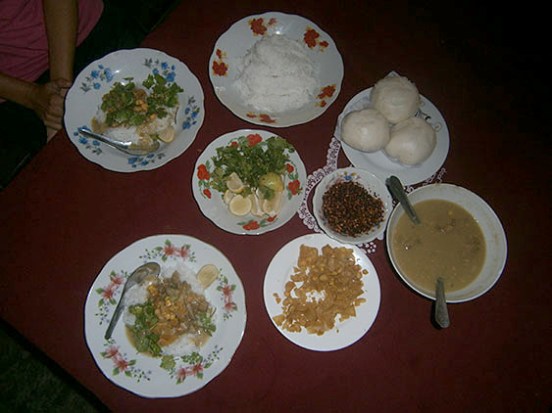
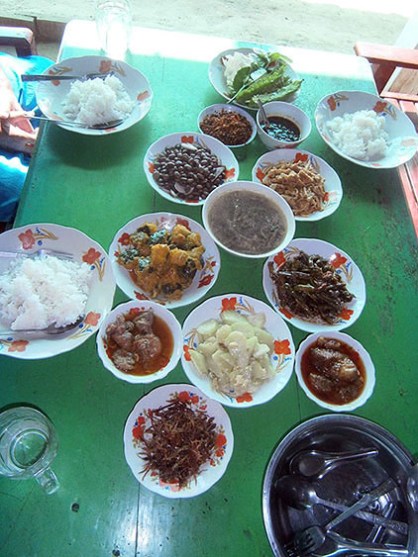
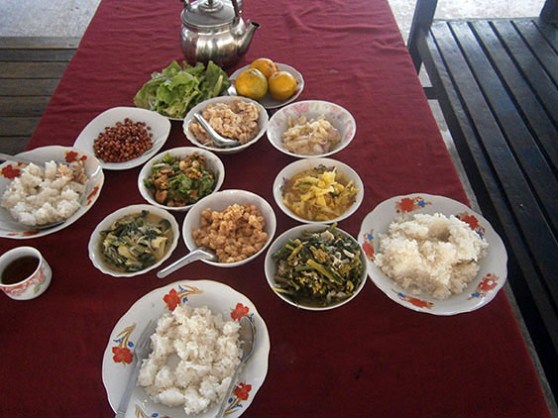
Typical lunch/dinner at Myanmar – fish, meat and vegetable curries with white rice.

Myanmar cuisine is quite heavy because of the cooking oil they use.


OLYMPUS DIGITAL CAMERA

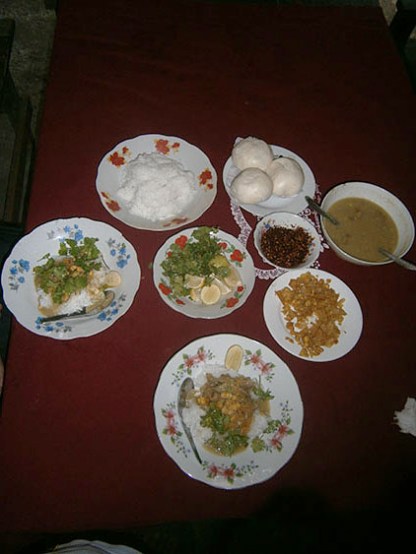
Mohinga (soup with noodles and fish), rice and Baozi (steamed bred) filled with jam


OLYMPUS DIGITAL CAMERA

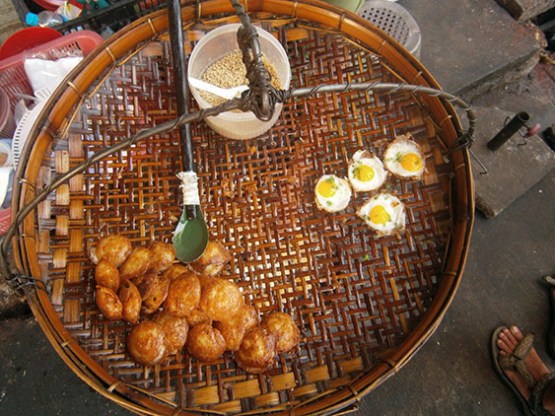
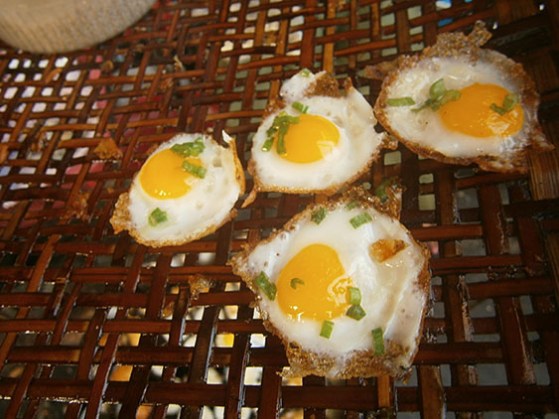
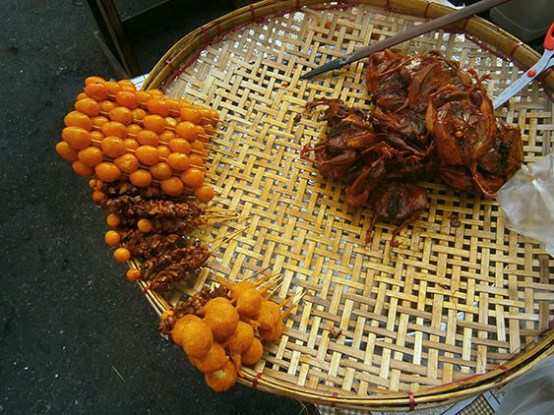
Fried and breaded quail eggs


OLYMPUS DIGITAL CAMERA

Close-up


OLYMPUS DIGITAL CAMERA

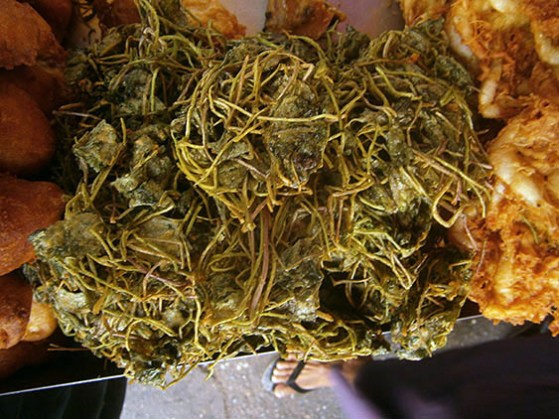
Pakora – fried leafy vegetables


OLYMPUS DIGITAL CAMERA

Pakora close-up


OLYMPUS DIGITAL CAMERA

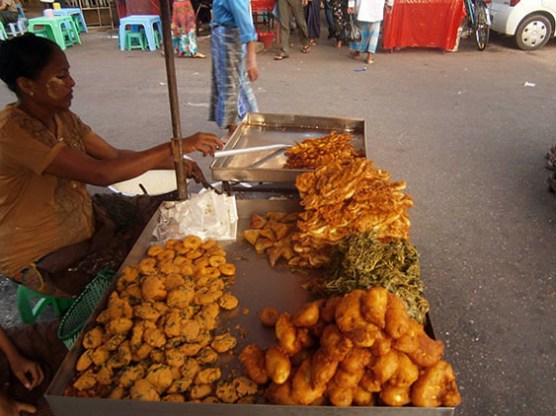
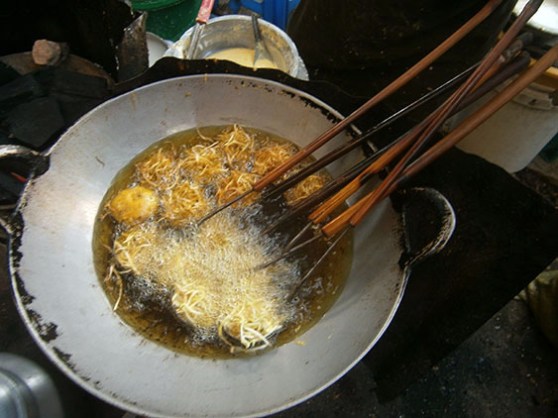
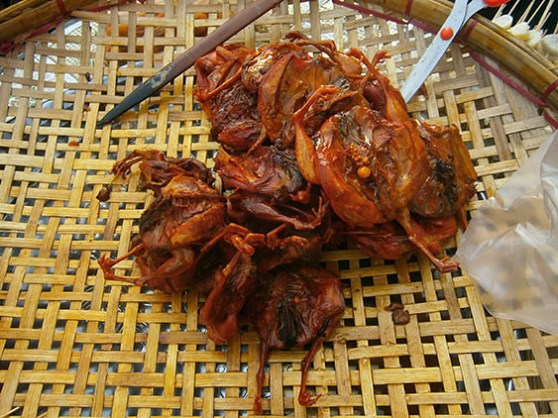
Fried snacks – as they call it in Myanmar


OLYMPUS DIGITAL CAMERA

Fried chicken


OLYMPUS DIGITAL CAMERA

Eggs on stick


OLYMPUS DIGITAL CAMERA

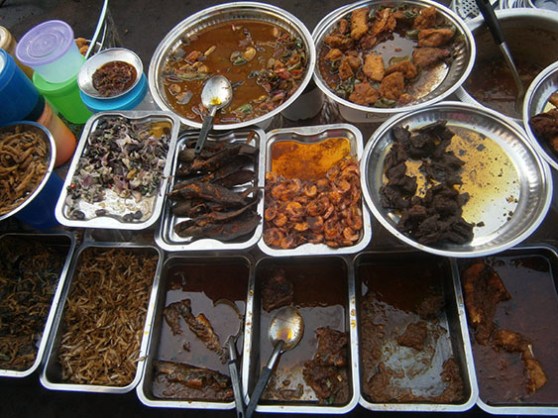
Fish and meat curries


OLYMPUS DIGITAL CAMERA

More curries


OLYMPUS DIGITAL CAMERA

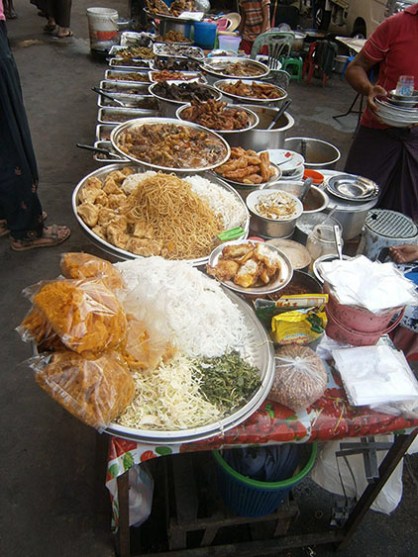
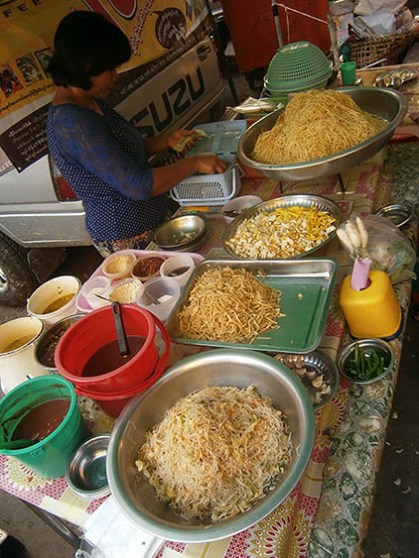
Stall for noodles


OLYMPUS DIGITAL CAMERA

Soup


OLYMPUS DIGITAL CAMERA

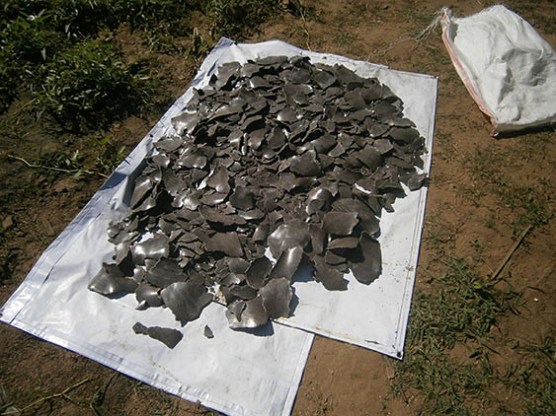
Dry peanut paste


OLYMPUS DIGITAL CAMERA

Dry peanut paste close-up


OLYMPUS DIGITAL CAMERA

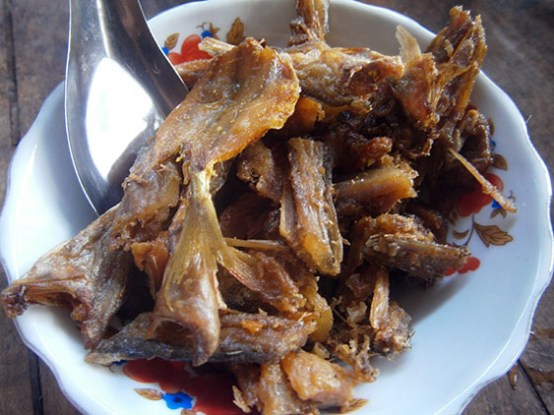
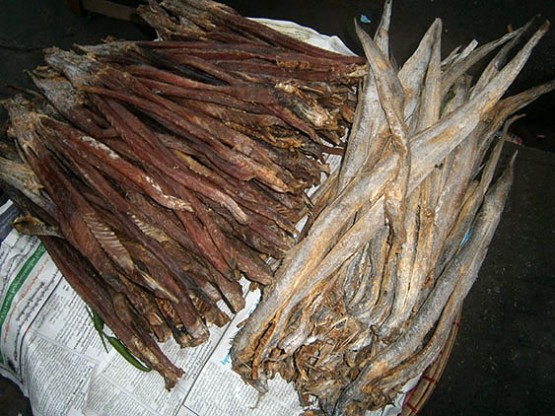
Dried fish


OLYMPUS DIGITAL CAMERA

Other type of dried fish


OLYMPUS DIGITAL CAMERA

Boiled roots with sauces and snacks


OLYMPUS DIGITAL CAMERA

Vegetarian lunch


OLYMPUS DIGITAL CAMERA

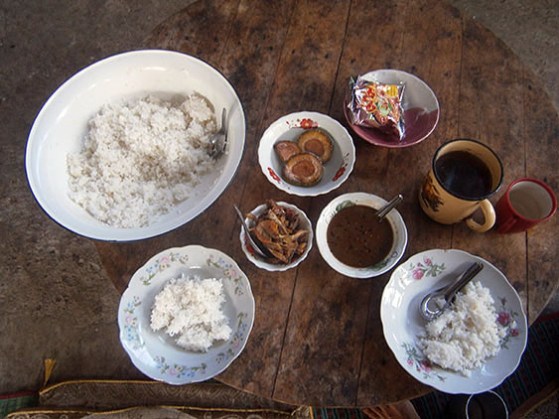
Breakfast – white rice, durian and fish gravy


One day and one night in the jungle without water, New Year’s Eve in Chiang Mai – the rose of the north, the military guys who cleaned our palace

OLYMPUS DIGITAL CAMERA

Old temple

27.12

In the morning a ranger with a motor bike comes and he doesn’t seem worried at all that we are camping at the pavilion which is in the center of the park area. He just asks us when we plan to leave and even gives us a lighter because ours is out of gas. Good that he did because without it we wouldn’t have even drunk our morning tea. Continue reading

Entering Thailand, adventures in the jungle, Christmas in Asia

OLYMPUS DIGITAL CAMERA

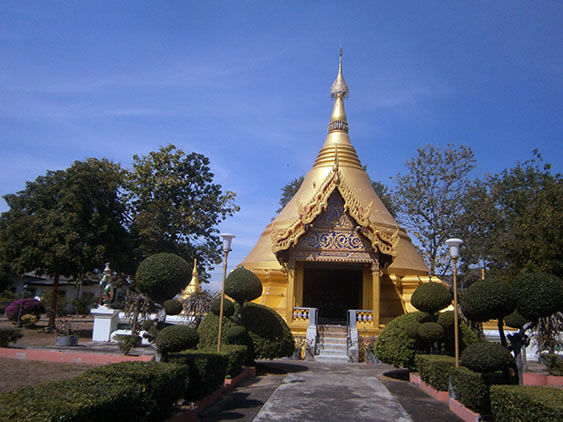
Buddhist temple at Tak

22.12

We cross the Thai border rather quickly. The employee asks us if we are OK with two-months visa because the one we have in our passports is without expiration date. We are overjoyed and say “yes”, he stamps our passports and here we are… walking on the streets of Thailand. This is the second time we are here but nevertheless we get a culture shock upon entering. The contrast seems even stronger to us the 7 months we spent in Pakistan, India and Myanmar. Continue reading

Chewing betel and other vices (an informative note)

OLYMPUS DIGITAL CAMERA

Street vendor sells betel

Alcohol and cigarettes are widely used in South Asia as in the rest of the world. These vices are well accepted here and the usage of these two substances is tolerated. In this part of the world poisoning one’s organism is as usual as drinking juice. Nevertheless few people know that here in Asia there is another vice the usage of which is even more popular than our favorite cigarettes and alcohol. Continue reading

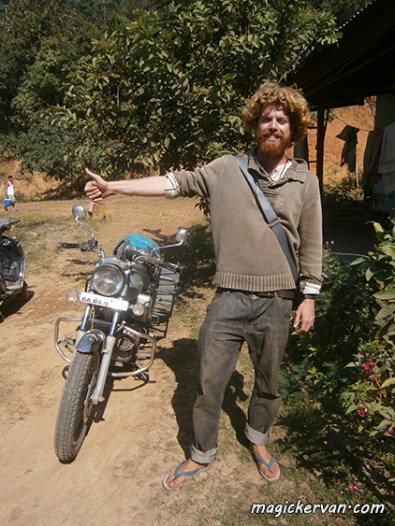
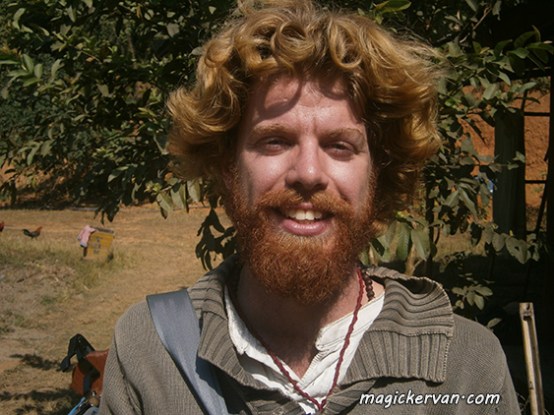
Joan Pol Mingot: the ordinary Spanish student who became a traveler and gave up on money (extended version)


OLYMPUS DIGITAL CAMERA

Intro:

During our journey, we meet many tourists, but not so often extraordinary travelers. Some of them hitchhike, others ride on a bike; once we even met an American who had walked the whole way – thousands of kilometers. Their journeys may continue several months or tens of years. They come from different countries, look in a different way: some are very well equipped, others are skinny because they haven’t eaten well and regularly; but there is one trait in common – they radiate pure joy and their eyes sparkle. It is a pleasure for us to meet such people since the stories they tell us are exciting; they are fascinating and provoke us to embark on journeys, even crazier than the ones we have participated in so far. These meetings inspire us to publish some of the stories.

We are extremely happy to present you ourguest from Cataluña whose name is Joan and who travels from Thailand to Europe without a single penny!


How we met

OLYMPUS DIGITAL CAMERA

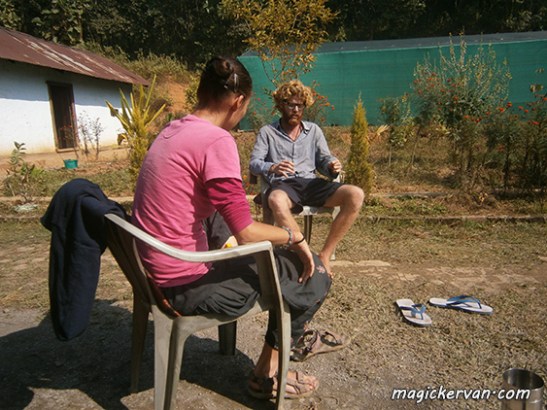
Our six-month journey in India was about to end. Our last stop was at Imphal, Manipur in northeast India. Right after we met with our couchsurfing.org host we came across his other guest called Joan who had come a few days ago from Myanmar. We started immediately exchanging ideas and information about our forthcoming journey in Myanmar and respectively his in India

One of our first questions was whether he had any problem exchanging US dollars for the local currency. We were flabbergasted by his answer which was that he didn’t know because he traveled without money. We though we misunderstood something, but later on it became crystal clear to us that he traveled without any money except a small sum he kept for the visas. Here comes his story:


Joan’s Story

August 2014: He went to Indonesia, Semerang (central Java) to join a one-yea project as a volunteer. He taught English in UDINUS, a local University. He travelled to Java Island.

August 2015: The project was over, but he was not ready to go home yet. He traveled with a friend of his to Thailand, Laos, Cambodia and Vietnam. His trips were low budget and sometimes he couchsurfed and hitchhiked.

September 2015: He gave up on money; he kept only a small amount to pay visas. He became a full-time hitchhiker and couchsurfer. He also slept in his tent, monasteries, and local people’s homes.

Around June 2016: He might go home… or might not!


The interview:

OLYMPUS DIGITAL CAMERA

What was your life before you started to travel without money?

I was born in lleida a small city in Spain. After I finished school, I studied physics at the Universitat de Barcelona. As a student, I realized that something was not right; I felt lost, and my life seemed purposeless. Since I had enjoyed working in an international campus, I thought about volunteering and found this project in Indonesia. I quit the university and went to Indonesia to teach English in a university.

What did provoke you to give up on money?

I was in Jakarta, accommodated by a couchsurfing host and I wanted to visit the Ujung Kulon National Park and see the rhinos. I didn’t want to spend much money but hitchhiking was not an option for me back then. So, I took a bus and a cab van after that. I had to bargain for the price. This left an unpleasant taste in my mouth. I am sure that bargain battles leave both parties unsatisfied.

When I arrived at the final destination late at night, I was dropped in front of a cottage – the only available accommodation. The price was decent and I paid for one night. In the morning, I was told that I was not allowed to go to the park alone and must hire a guide. There was no place to buy food around and I had to order food. In addition, I had to stay another day and yet I might have had no chance to see the rhinos. It meant to pay a double amount for a guide, fees and food, of course.

The next day, I tried to bargain and felt uncomfortable and exhausted again. So I decided not to go, paid what I owed and left. I remember the manager asked me whether I wanted a taxi… There was nothing I wanted less! I was maybe in one of the most remote places on Java Island, but I didn’t care; I just wanted to leave that place. I was walking furiously and quickly, mad at the world, mad at myself and the whole low-budget-traveling idea…

And then suddenly, as if by magic, I started to laugh so loudly and an extraordinary feeling of freedom overwhelmed me. I had a tent, water, clothes, and a book. I needed nothing else. I kept on walking. When it started to rain, I found a shelter. I was reading my book when the rain stopped. It was beautiful and blissful. I decided to keep going. After some time a car stopped, though I wasn’t even hitchhiking. The passengers wanted to help me.

I wandered for a while and then I started to hitchhike again. I met wonderful people, I had amazing time and it was fun. I found what I wanted.

Is it easy to trust strangers?

After crossing the border between Thailand and Myanmar I started hitchhiking and after five minutes I got a ride. It was 4 p.m. They were a family going to Hpa-An. I was so happy. After three hours the old guy at the back and the little girl got off the car and paid the driver. It was a damn taxi! Though they looked like a family going from one place to another. When we arrived to Hpa-An, I still had some dollars. I didn’t want to argue or bargin. I ended up paying.

It was around 9 p.m., dark and I was looking for a place to pitch my tent. I was angry. All of a sudden, a guy came to me and offered me to stay in his home. I told him that I had no money. He didn’t care. We went to his place together and the first thing he gave me was a traditional T-shirt from Myanmar. I hadn’t eaten since breakfast. He asked me if I was hungry and took me out for dinner. The next day he first cooked a breakfast for me and then asked where I wanted to go. I said to Kyayktyo and added that I would hitch a lift. He didn’t understand. He bought me a bus ticket and gave me some money for food. After several days, I learnt that hosting foreigners in Myanmar was illegal…

Can you describe us a typical day of your life?

Whenever I have to hitch a ride, I wake up early in the morning when the sun rises. If someone has hosted me, then usually they drop me at a place where I can easily stop a car and feed me before let me go. Otherwise, I walk out until I find such a place, maybe an hour or two, not more. Then I wait until the right lift arrives. There is always a vehicle on the road meant for me. Sometimes, I am fed, sometime I am not, but never stayed hungry for more than one day. Sometimes I arrive to my destination in one day where almost always couchsurfing is waiting for me, sometimes I don’t.

Both options are good for me and I greatly enjoy my journey. My trip is a pilgrimage. I eat what I am given and sleep where I am invited. I am patient, persistent and accept everything with equanimity. Every experience teaches me a lesson. There are many solutions for each problem.

What is the place that impressed you most?

Thabarwa Centre in Yangon, Myanmar. I cannot explain it briefly. Google it.

What is your dream?

I just want to make the world a better place. If I may quote Mahatma Gandhi: “Be the change you want to see in the world”. Now I am on my way to grow up personally and spiritually. Learning how I can be a better person, how I can get wiser every day will enable me to spread the change to the world.

What are your future plans?

I don’t know. Maybe I will try to hitch a ride in a boat or an airplane.

End of interview

————————————————————————————————————————–

We want to shed some light on an interesting phenomenon that Joan noticed and we witnessed many times.

It happens quite often during our travels that someone (a person on the road or a passer-by) asks us where we are going to and whether he/she could help us. When we say we travel hitchhiking she/he says that in this country no one will take us and hitchhiking is impossible. The irony is that he himself stops to help us. Every day we meet dozens of people who help us and give us a ride.

The question that arises here is: Aren’t we all surrounded mainly by good people? Do we think that our neighbor whose political views differ from ours and whom we hate for years, the driver with whom we quarrel on the road in the morning; the “friend” who gossips behind our back and so on, are all good people? Maybe we were simply programmed this way; the roles we have to play in the society make us hurt the people around us and sometimes even ourselves…

OLYMPUS DIGITAL CAMERA

Author: magickervan.com (Very special thanks to Joan – may the Force be with you)

Tough nights in Yangon, the Golden Rock, good-bye Myanmar (for now) – we love you so much!

OLYMPUS DIGITAL CAMERA

Yangon’s center

13.12

In the morning we can’t explain to the monk that we will not use a bus but regardless he takes us to the bus stop at the main road and we leave Kyuangon. We walk by the road and half an hour later a cistern takes us for 50 km. They leave us at a gas station 20 km. before Yangon. Continue reading